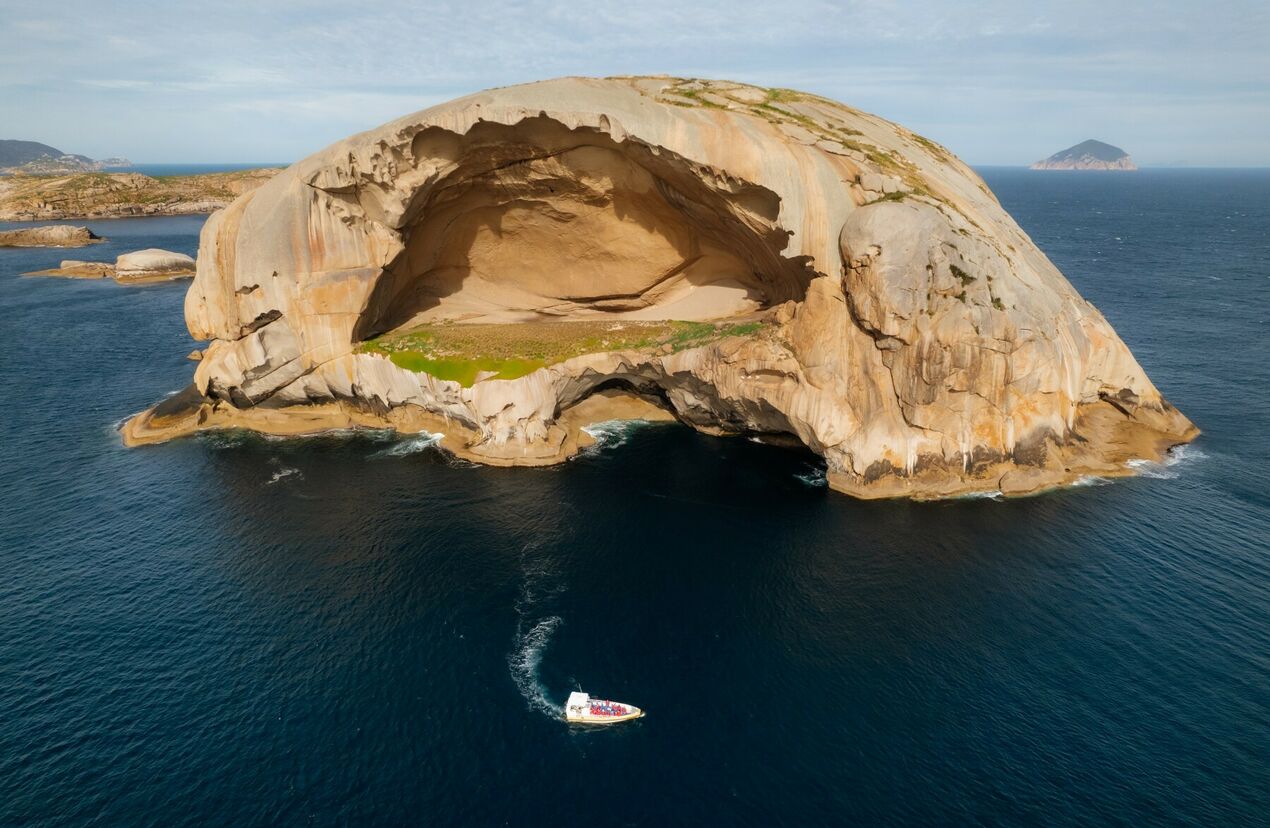
Skull Rock
This massive granite formation features a large, cavernous opening resembling a skull, carved by centuries of wave erosion.
View from the bow to capture the scale of the cavity.
Cruise reviews for Wilsons Promontory span a range of operators, route lengths, and wildlife outcomes. This guide synthesizes traveler feedback to help you choose a tour that matches your expectations for marine life, weather resilience, and commentary quality.
Quick answer
Wilsons promontory cruises reviews consistently highlight wildlife encounters—Australian fur seals, dolphins, and seabirds—as the primary draw, with highest ratings for tours departing early morning when sea conditions are calmest. Most operators receive praise for knowledgeable guides and punctual departures, though weather cancellations are common during winter months. Routes typically range from two to four hours and depart from Port Welshpool or nearby marinas rather than the park itself.
No vessel launches directly from Wilsons Promontory's beaches. Marine tour operators base themselves in Port Welshpool, a working fishing harbor thirty kilometers north of the park boundary, where deeper water and established jetties accommodate larger boats year-round. This separation means cruise access requires coordination: visitors drive to the embarkation point, often departing the park an hour before scheduled boarding. Wilsons promontory cruises reviews from the past eighteen months show a clear pattern. Tours rated highest combine calm sea conditions with extended wildlife observation windows, particularly around Kanowna Island and Cleft Island, where Australian fur seal colonies number in the thousands. Travelers report sightings of bottlenose dolphins, short-beaked common dolphins, and occasional orcas during autumn and winter months when nutrient-rich currents draw prey species closer to the granite headlands. Birdwatchers note regular encounters with Australasian gannets, sooty shearwaters, and white-bellied sea eagles, especially along the eastern coastline where offshore stacks provide nesting habitat. Operators with smaller vessel capacities—under twenty passengers—receive the most consistent feedback for maneuverability and unobstructed deck access during wildlife encounters. Weather remains the decisive variable. The Bass Strait generates swell that can exceed two meters even on clear days, and tour cancellations cluster between May and September when frontal systems move through rapidly. Reviews from travelers who sailed during spring and summer emphasize glassy conditions and extended surface time near seal haul-out sites, while winter feedback often describes abbreviated itineraries or last-minute postponements. Commentary quality varies by operator: guides with marine biology backgrounds provide taxonomic detail and behavioral context, while others focus on navigation history and the region's commercial fishing legacy. Booking windows tighten across December and January, when visitor numbers to the park peak and marine tours fill days in advance. Several operators now offer hydrophone listening during whale migration season—humpbacks and southern right whales pass the Prom between May and October—adding an acoustic dimension that recent reviews cite as memorable. Pricing reflects route length and vessel type, with half-day expeditions in rigid inflatables commanding a premium over standard cabin cruisers.
“Seal colonies at Cleft Island delivered the wildlife density we'd hoped for, and the guide's commentary on foraging behavior added context most tours skip.”
This itinerary suits visitors who want to combine a wildlife cruise with Wilsons Promontory's coastal trails and lookouts. Plan for a full day, with flexibility around cruise departure times.
Arrive early and park at Tidal River to secure a spot before day-trippers fill the car park. Use the facilities and grab trail maps from the visitor centre.
Tackle the 7km return trail to Mount Oberon for panoramic views across the park and surrounding islands. Allow 2.5-3 hours for the climb and descent.
Return to Tidal River for a picnic lunch near the river mouth, where wombats often graze in open areas during quieter periods.
Join a scheduled wildlife cruise from Tidal River or nearby departure points to spot seals, dolphins, and seabirds around the granite headlands. Most cruises run 2-3 hours.
After returning from the cruise, drive or walk to Squeaky Beach for a short stroll on the quartzite sand before the park quiets for the evening.
Drive slowly back along Wilsons Promontory Road as wombats, wallabies, and echidnas emerge at dusk along the roadside and clearings.
Wilsons Promontory National Park is located at Wilsons Promontory Road, Wilsons Promontory VIC 3960, Australia. The most direct approach for visitors traveling from Melbourne is by car via the Monash Freeway (M1) and South Gippsland Highway (M420).
M1 and M420 via Meeniyan and Fish Creek
V/Line Coach from Southern Cross to Fish Creek
Private transfer from Melbourne
Visitors planning to join cruises should aim to reach the park entrance on Wilsons Promontory Road well before departure times. Following the recommended arrival window helps secure parking and ensures a timely transition to the cruise departure point.
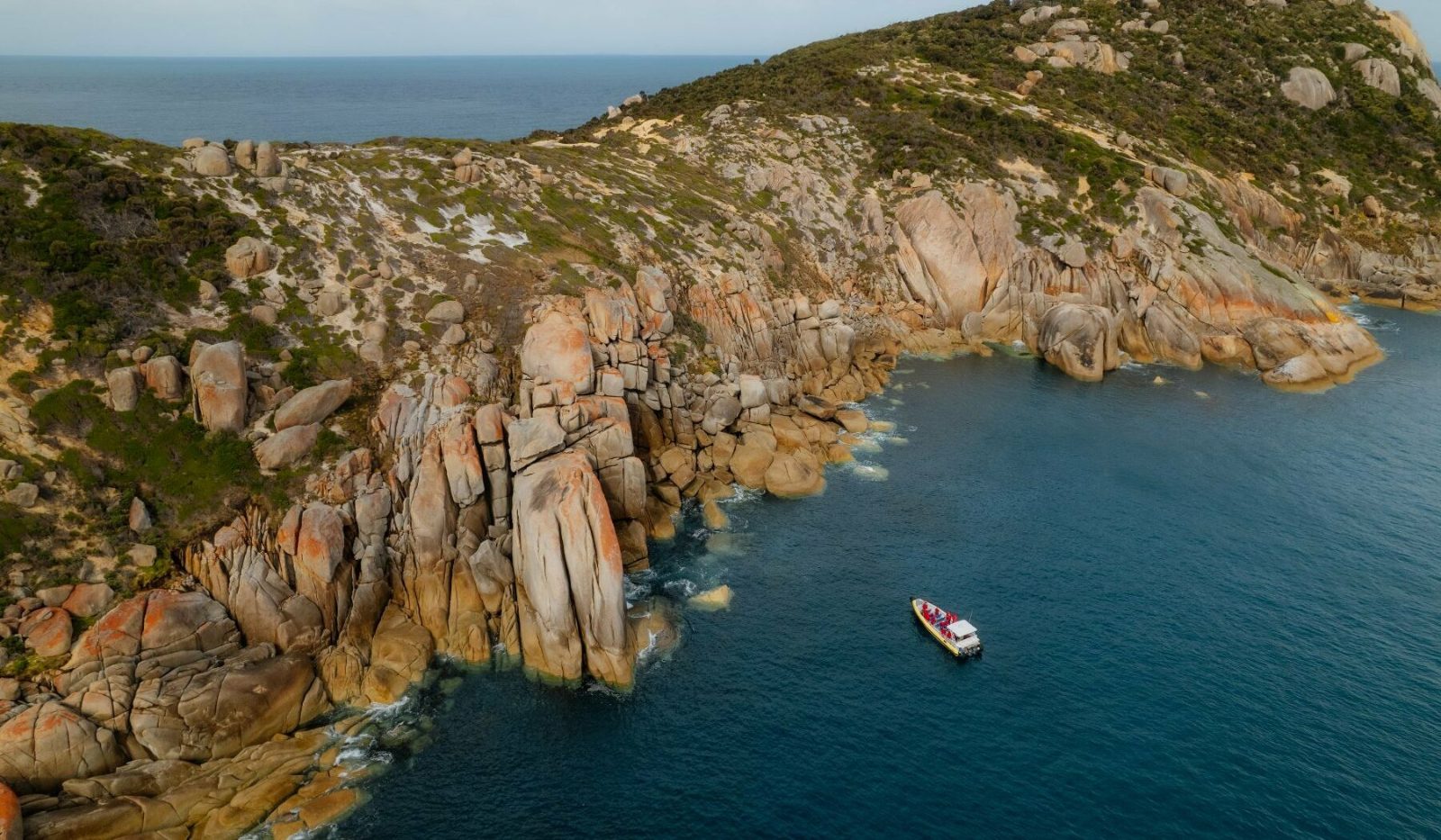
Visitors frequently highlight the unique geological formations and marine life visible during cruises around the Wilsons Promontory coastline. These boat-based perspectives offer access to secluded granite structures and offshore habitats that are otherwise inaccessible.
This massive granite formation features a large, cavernous opening resembling a skull, carved by centuries of wave erosion.
View from the bow to capture the scale of the cavity.
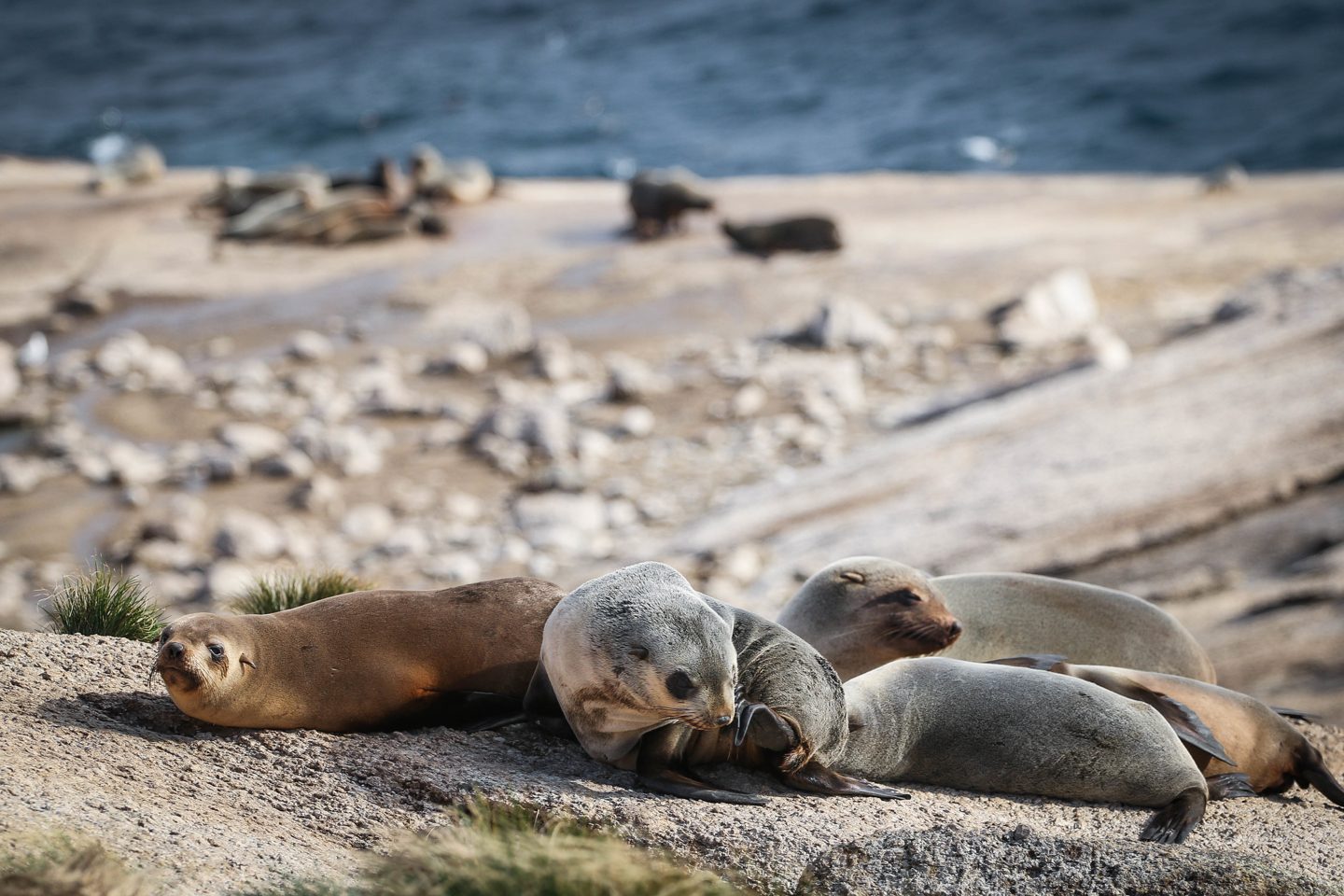
Home to a large colony of Australian fur seals, this island is a common focal point in visitor feedback for wildlife sightings.
Use binoculars to observe seal behavior on the rocky shoreline.
A distinctive, isolated granite pillar rising steeply from the ocean, showcasing the region's rugged geological character.
Watch for seabirds circling the peak during the approach.
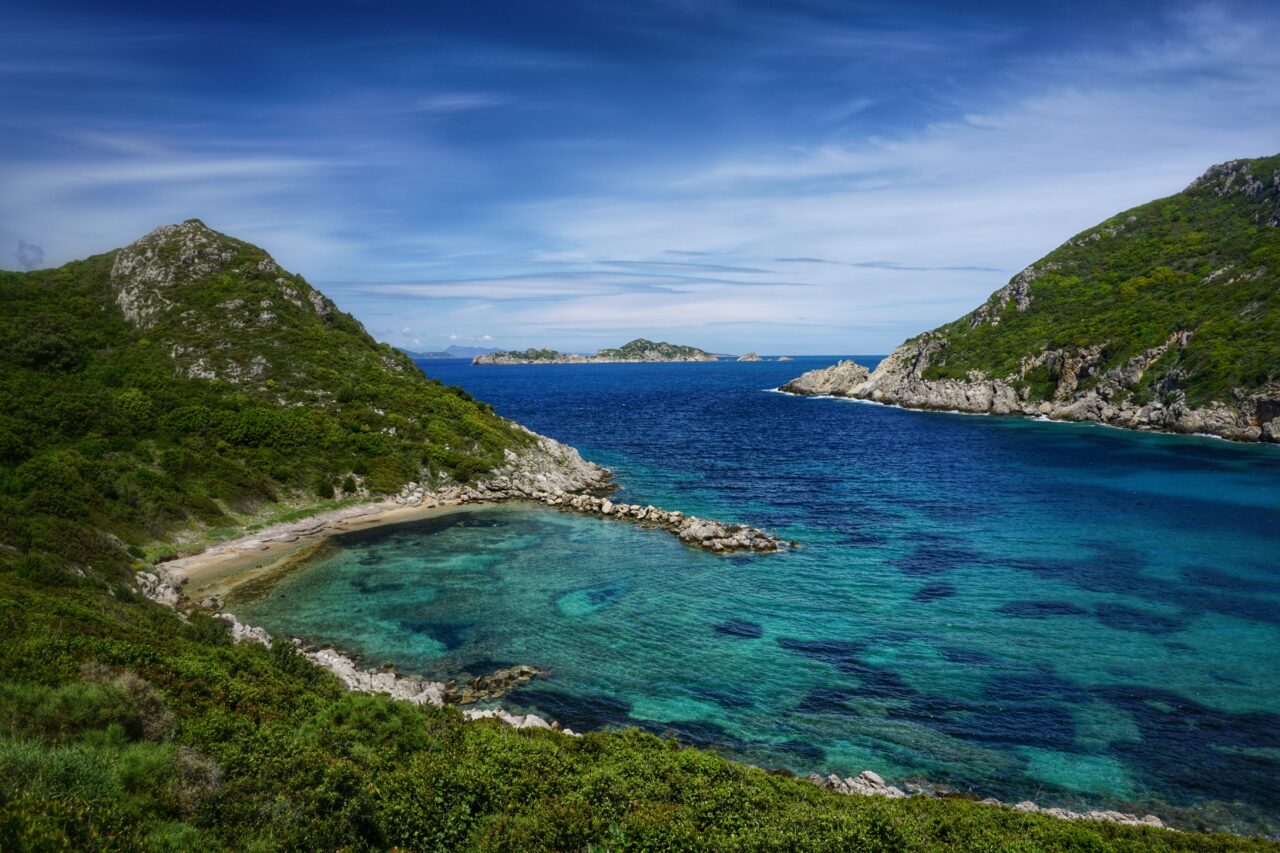
This cluster of islands offers varied coastal topography and is often cited for its clear water and surrounding marine biodiversity.
Look for color transitions in the water near the cliffs.
Wilsons Promontory National Park remains accessible to visitors throughout the entire week, operating on a continuous 24-hour schedule.
Everything you need to know about wilsons promontory cruises reviews
Recent wilsons promontory cruises reviews highlight the unique perspective of seeing the granite coastline from the water. Travelers often share their thoughts on the boat stability and the comfort of the vessel during these maritime excursions.
Yes, reading wilsons promontory cruises reviews can assist in setting expectations for your day at the national park. Visitors frequently comment on the overall value and the quality of commentary provided by the crew.
Many wilsons promontory cruises reviews emphasize encounters with marine life such as seals, dolphins, and various bird species. Observing the rugged landscape and marine ecosystem remains a common theme in guest feedback.
Guests often suggest checking weather updates before departure, as noted in many wilsons promontory cruises reviews. The maritime conditions can change quickly, so travelers recommend keeping an eye on local forecasts and park notices.
While you might look for boat tours around Wilsons Promontory, the reviews focus on the narrated journeys that navigate the park's coastal perimeter. These maritime adventures allow for a closer look at remote rock formations and secluded beaches.
Most wilsons promontory cruises reviews focus on the importance of booking in advance to secure a spot. They provide insights into the departure process and how to best prepare for your time on the water.
First-time visitors often find that wilsons promontory cruises reviews contain useful advice on what to pack, such as windproof jackets and cameras. These shared perspectives help travelers better prepare for the sea breeze and changing light conditions.